
Read more below from Robert Ntitima on the achievements of the College of Ophthalmology of Eastern Central and Southern Africa (COECSA) and partnership with the Ophthalmology Foundation from September 2026:
안과학에서의 임무, 회원 자격 및 역할
저희 기관에 대해 잘 모르실 독자분들을 위해, 기관의 사명, 활동 중인 국가 및 지역, 그리고 안과 교육, 수련, 전문성 개발을 지원하는 역할에 대해 말씀해 주시겠습니까?
The College of Ophthalmology of Eastern Central and Southern Africa (COECSA) is a specialised virtual College established in 2012 following the voluntary merger of the Eastern Africa College of Ophthalmologists and the Ophthalmological Society of Eastern Africa.
Our primary focus is the Eastern, Central and Southern Africa (ECSA) region, currently comprising 12 countries: Kenya, Uganda, Tanzania, Rwanda, Burundi, Malawi, Ethiopia, Zambia, South Sudan, Zimbabwe, Somalia and Mozambique.
Our core mandate is to address the shortage of ophthalmologists in the region while contributing to the improvement of the quality of eye care services. Education and training are central to this mandate. We support postgraduate ophthalmology training at residency and subspecialty levels, facilitate continuing professional development, and provide a platform through which ophthalmic professionals can exchange knowledge and skills.
As a virtual regional College, we work closely with accredited institutions across the region rather than concentrating training in a single location. This allows ophthalmologists to access high-quality training closer to home while strengthening national and regional eye-care systems.
회원 및 도달 범위
현재 귀 단체에 소속된 회원, 연수생 또는 제휴 안과의사는 대략 몇 명이며, 최근 몇 년 동안 어떻게 성장해 왔습니까?
COECSA has continued to grow its professional community alongside the expansion of ophthalmology training in the region. We currently have 407 Fellows and more than 150 non-Fellow members.
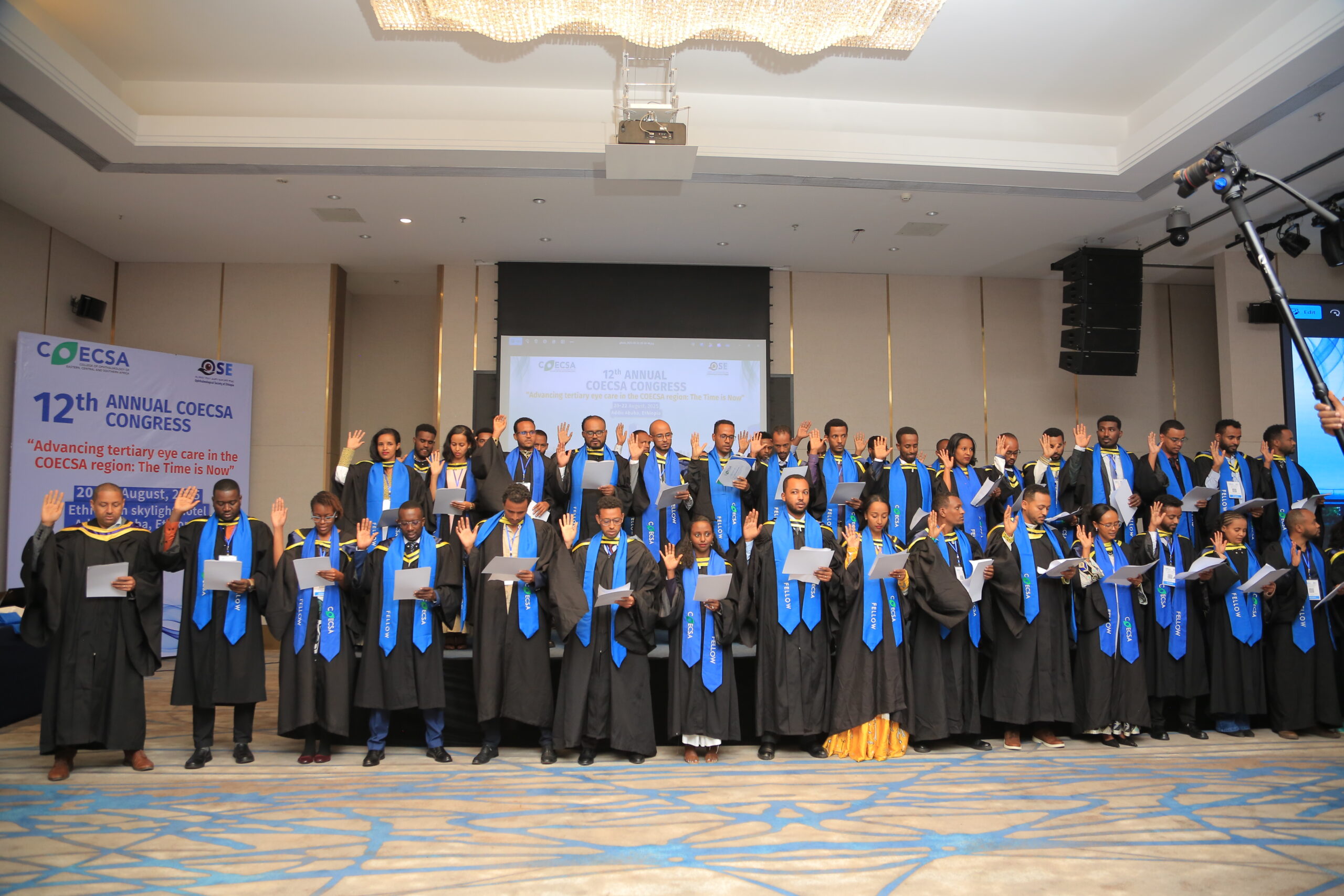
The most recent Fellowship admission brought in 45 new Fellows, the largest annual Fellowship admission in the College’s history. This reflects the increasing capacity of COECSA-accredited training institutions and the growing demand for structured postgraduate ophthalmology training within the region.
Our reach extends beyond membership numbers. Through our accredited training institutions, examinations, scientific journal, annual congress and continuing professional development activities, COECSA engages ophthalmologists and trainees across the ECSA region, and internationally.
주요 성과
지난 5~6년을 돌아볼 때, 조직으로서 가장 자랑스럽게 생각하는 성과는 무엇입니까?
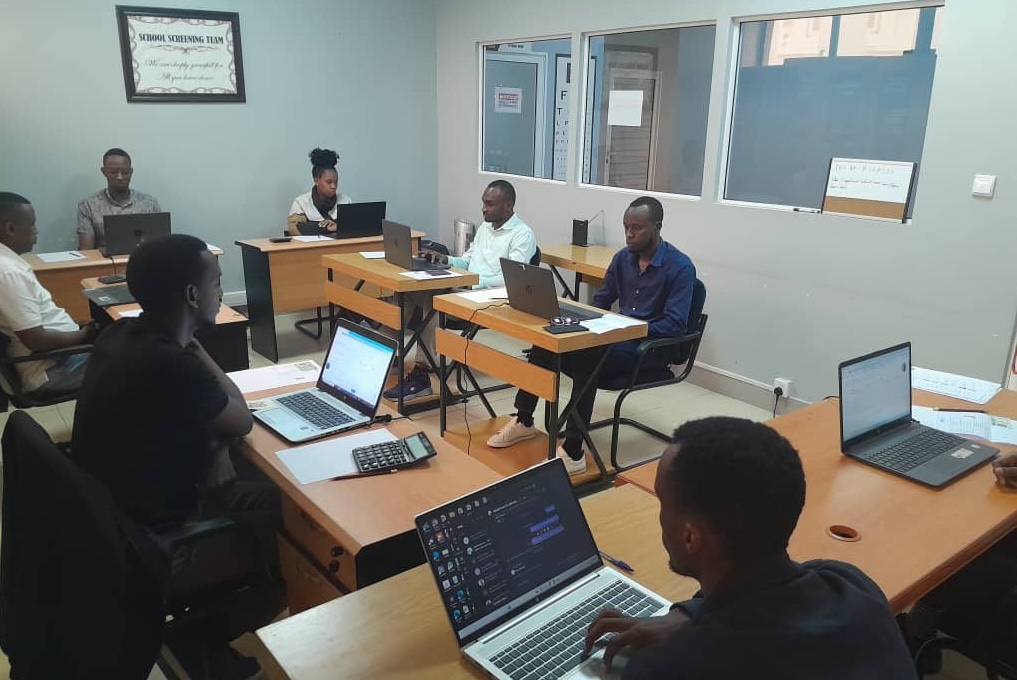
One of our most significant achievements has been the continued expansion and strengthening of postgraduate ophthalmology training across the region.
COECSA currently offers a four-year minimum Residency Training Programme as well as superspecialty fellowships in Glaucoma, Vitreo-Retina, Paediatric and Strabismus, Cornea and Anterior Segment, and Ophthalmic Plastics and Reconstructive Surgery.
The growth of our accredited training network has also been important. Institutions in countries including Rwanda, Kenya, Zimbabwe, Ethiopia, Tanzania, Uganda and Zambia are contributing to the regional training ecosystem.
Another major milestone was the August 2025 Fellowship Exit Examination in Addis Ababa, where 56 eligible candidates were admitted, compared with the standard 28 candidates per sitting. Following the examinations, 45 new Fellows graduated at the 12th COECSA Annual Scientific Congress—the largest Fellowship graduation cohort in the College’s history.
A further landmark was the development of our own Written Examinations in 2023, which has made the COECSA qualification a complete pathway for one to become an Ophthalmologist. This was further strengthened by the inaugural Joint COECSA/Ophthalmology Foundation Written Examinations in March 2026. A total of 136 candidates sat the Visual Sciences and Optics & Instruments examinations. This represents an important step in harmonizing ophthalmic assessment standards and strengthening the international recognition of postgraduate ophthalmology education in the region.
평판과 영향력
귀 기관은 안과학계에서 널리 인정받고 있습니다. 명성, 성장, 그리고 성공에 기여한 요인은 무엇입니까?
COECSA’s development has been built around a commitment to regional collaboration, standardization and quality in ophthalmology education. Our accreditation framework, standardized curricula, examinations and continuing professional development activities provide a common platform for training and professional growth across diverse settings.
Our annual scientific congress and Journal of the College of Ophthalmology of Eastern, Central and Southern Africa (JOECSA) also contribute to this regional professional community.
JOECSA is a peer-reviewed quarterly scientific journal with more than 500 active subscribers, while the Annual Scientific Congress attracts more than 600 delegates from over 30 countries globally.
Ultimately, our impact is closely connected to our ability to bring together institutions, educators, trainees and practicing ophthalmologists around shared educational and professional standards.
혁신과 디지털 전환
많은 전문 단체들이 온라인 교육, 가상 이벤트, 디지털 평가, 시뮬레이션 기반 훈련을 포함한 디지털 전환을 수용했습니다. 이것이 귀하의 회원들과 교육 프로그램에 어떤 영향을 미쳤습니까?
The virtual nature of COECSA has enabled the College to connect ophthalmology professionals and training institutions across a geographically large and diverse region. Rather than requiring all educational activity to be concentrated in one physical location, our model supports regional collaboration and access to educational resources across national borders.
Digital platforms including our virtual Examinations Platform, The Online Curriculum, Our Digital Repository and Journal, are particularly valuable for continuing professional development, knowledge exchange and coordination among training programmes. They also complement our work with accredited institutions, allowing us to maintain a regional framework while training continues to take place within local clinical environments.
The experience of operating as a virtual College has therefore reinforced the importance of using technology to extend educational reach while maintaining appropriate standards and quality assurance. Currently, we are in the process of developing an integrated, one-stop College Education Resource Portal (COEDREP) that will further enhance our digital transformation as a college.
교육 수준 유지s
다양한 기관과 지역에 걸쳐 높은 교육 및 전문 표준을 유지하는 것은 어려울 수 있습니다. 귀하의 조직은 훈련, 교육 및 전문성 개발에 있어 일관성과 품질을 어떻게 보장합니까?
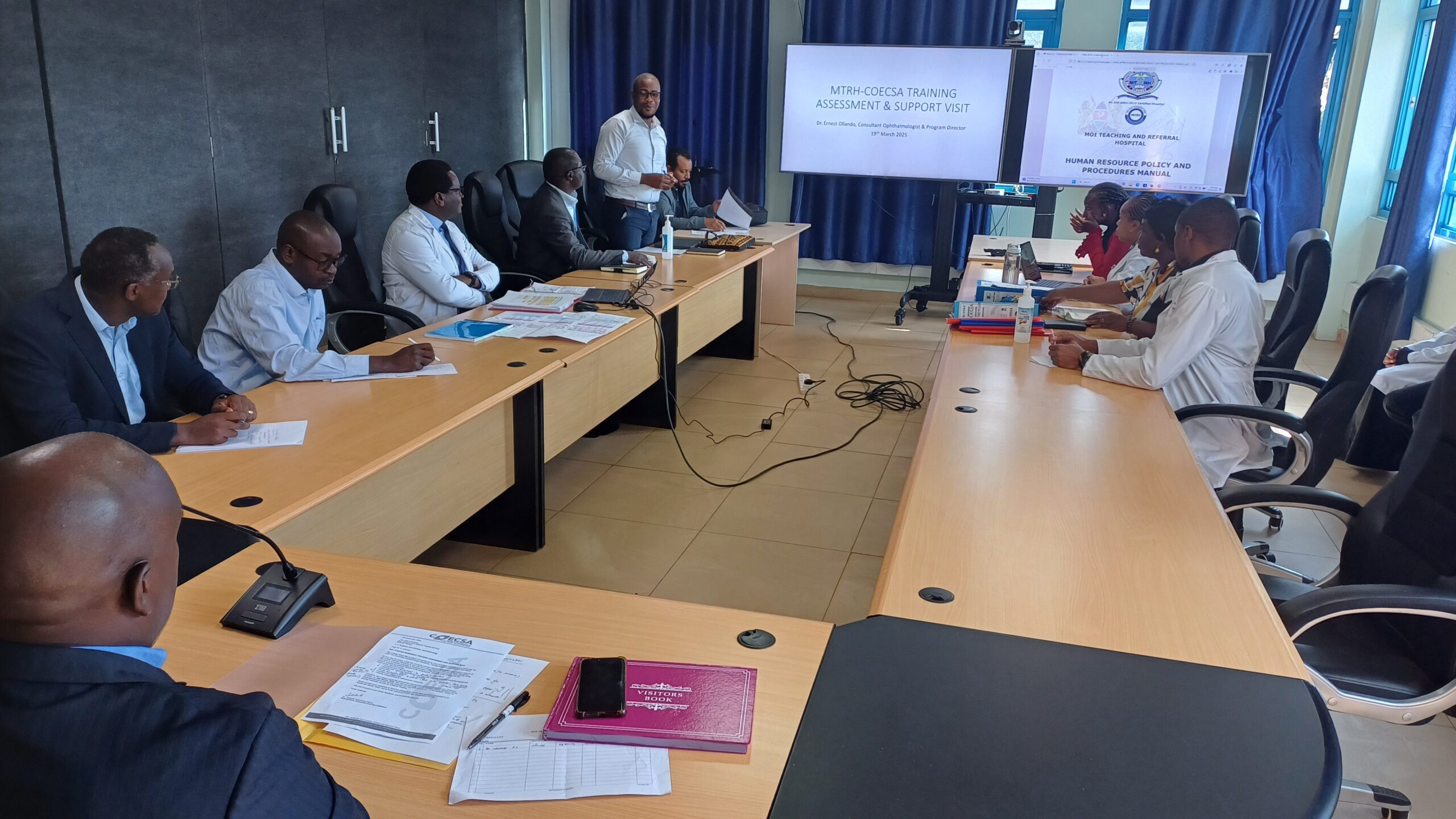
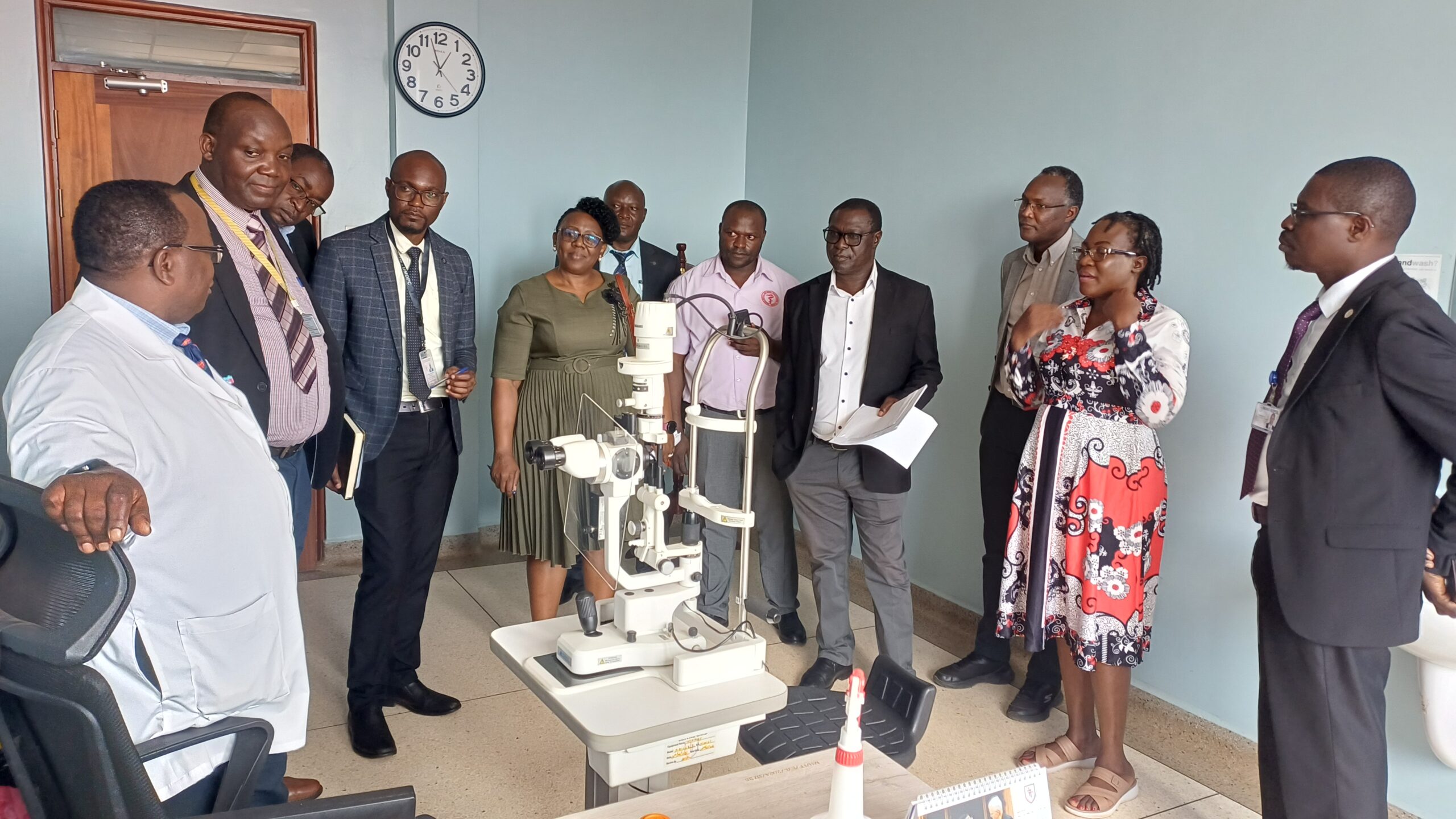
Quality assurance is embedded in COECSA’s training and accreditation framework. We work with accredited training institutions and use standardized curricula, assessments and supporting training tools to promote consistency across programmes.
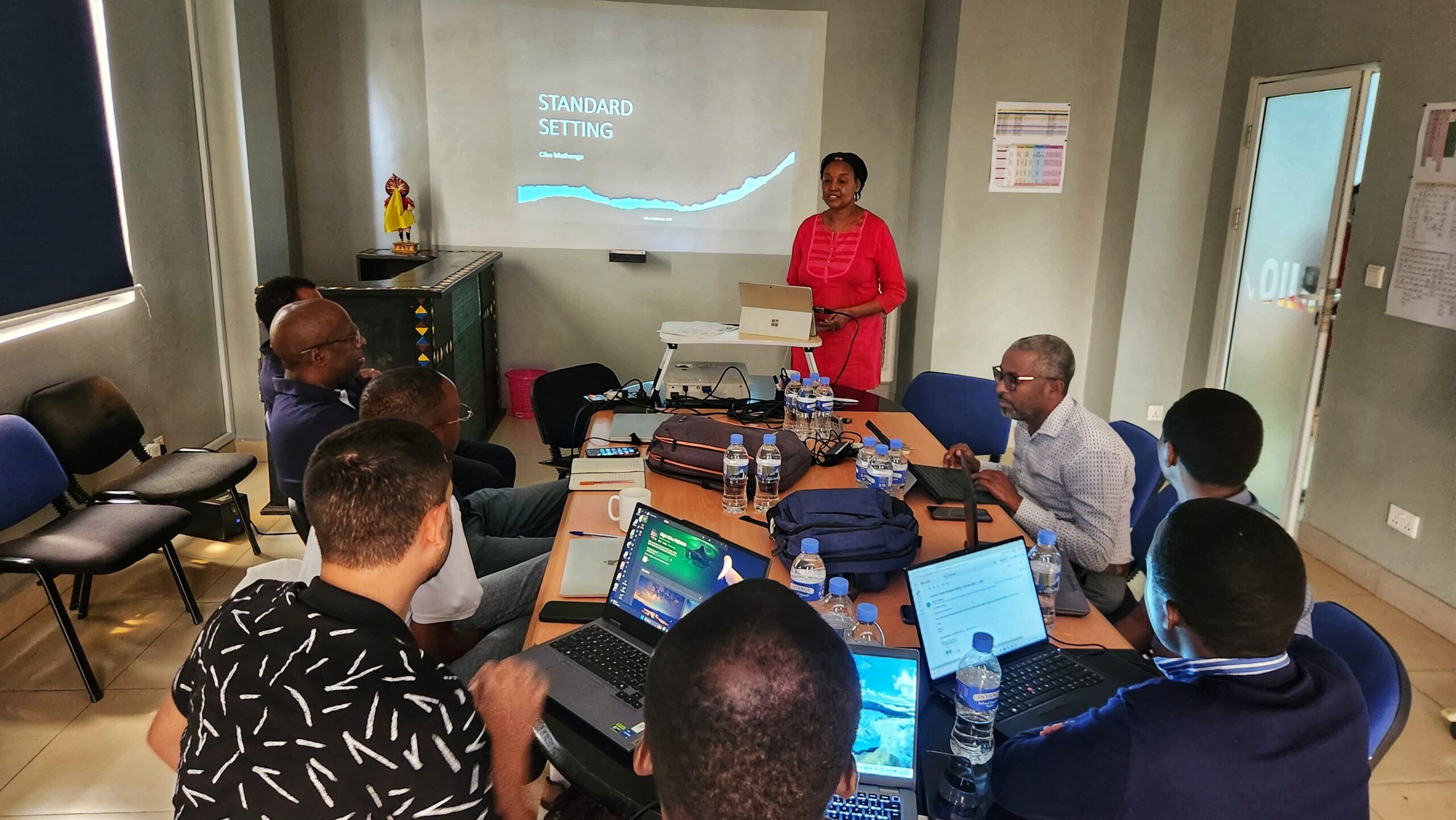
The Education and Accreditation Committee is responsible for the Fellowship examination, accreditation and supervision of training centres, as well as the Train the Trainers programme. The Senate provides academic leadership by setting, regulating and overseeing COECSA’s academic policies and standards.
This combination of accreditation, curriculum, assessment, supervision and academic oversight allows us to support consistency while recognizing the different clinical environments in which training takes place across the region.
지속적 전문 개발
Beyond formal ophthalmology training, continuing professional development is essential for keeping ophthalmologists up to date with advances in the field. How does your organization support ongoing learning and professional development among ophthalmologists in your region?
COECSA is committed to promoting lifelong learning and continuous professional development among ophthalmologists across the region. The College supports ongoing learning through a range of initiatives designed to strengthen professional competencies, facilitate knowledge exchange, and ensure that ophthalmologists remain abreast of advances in the field.
Through its Business, Membership and Professional Support Standing Committee, COECSA provides leadership in the development and coordination of membership-based CPD programmes. The Committee also guides the development of an online CPD system and the awarding of CPD points, working in collaboration with Country Chapter Presidents to support professional development at national level.
In partnership with its Country Chapters, COECSA also facilitates periodic Continuing Medical Education (CME) workshops, providing opportunities for ophthalmologists to update their knowledge, enhance clinical skills, and engage with emerging developments in ophthalmic practice.
Furthermore, the College promotes professional exchange programmes that enable ophthalmologists to share experiences, learn from one another, and benefit from exposure to different clinical and educational environments. The annual COECSA Congress serves as a key regional platform for knowledge exchange, scientific discussion, networking, and the dissemination of new research and innovations in ophthalmology.
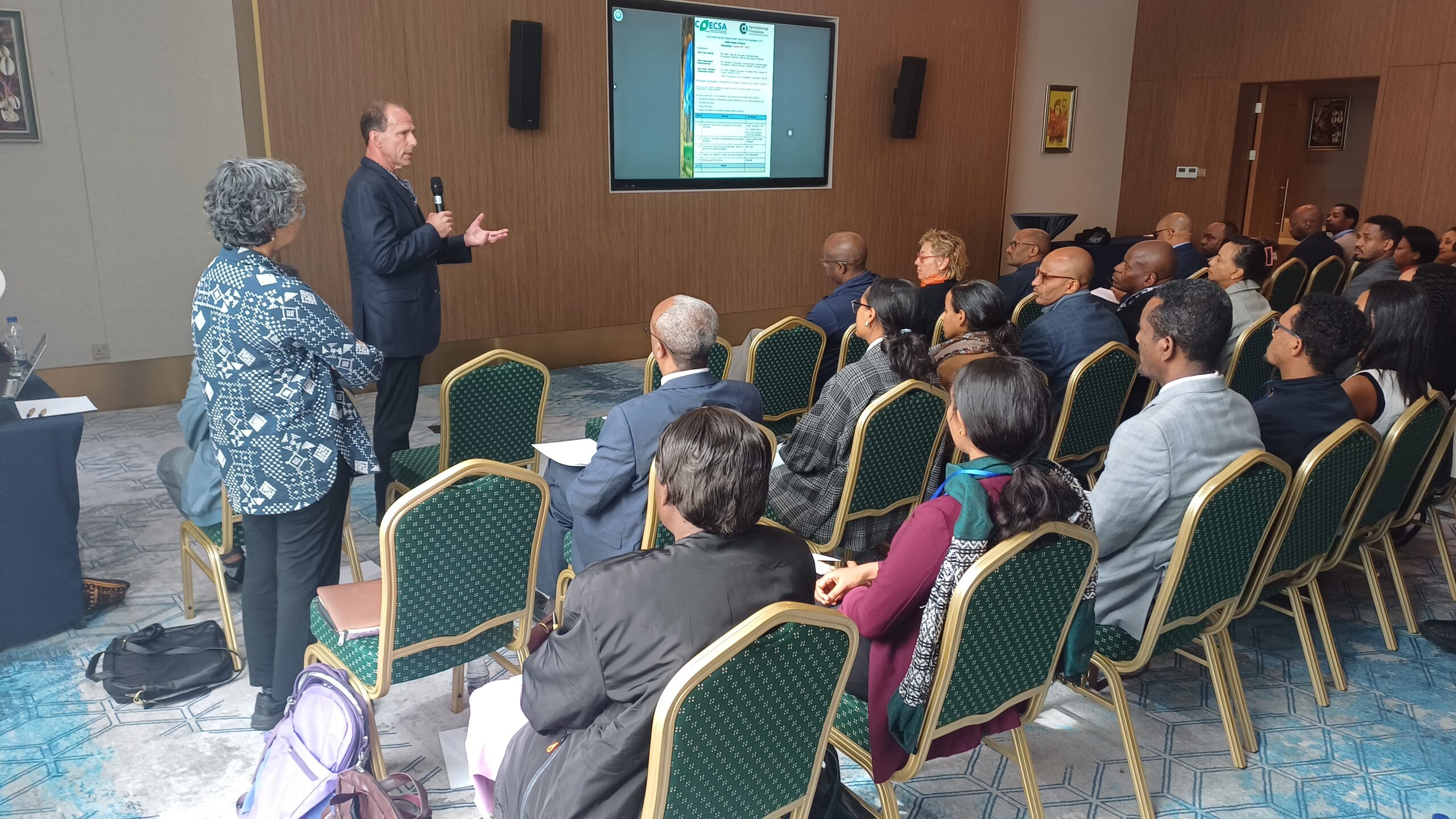
Through its Train-the-Trainers programme, COECSA also strengthens the capacity of ophthalmic educators to deliver high-quality, standardised ophthalmology education. By investing in educators, the College contributes to the continuous development of both current and future generations of ophthalmologists across the region.
Collectively, these initiatives reflect COECSA’s commitment to fostering a culture of lifelong learning, professional excellence, and continuous improvement in ophthalmic care across Eastern, Central and Southern Africa.
안과 재단과의 파트너십
안과학회(Ophthalmology Foundation)와 귀 기관의 관계를 설명해 주시고, 수련생, 교육자, 기관, 환자들에게 이 협력이 가져다주는 주요 이점이 무엇이라고 생각하시는지 말씀해 주십시오.
Our partnership with the Ophthalmology Foundation has reached an important milestone through the introduction of the Joint COECSA/Ophthalmology Foundation Written Examinations. In March 2026, the inaugural joint examinations covered Basic/Visual Sciences and Optics, Refraction and Instruments examination. A total of 136 examinations were administered.
For us, the collaboration provides an opportunity to harmonize assessment standards while strengthening the quality and international recognition of postgraduate ophthalmology education in the region. It also creates a stronger connection between regional training programmes and internationally recognized educational standards. Most importantly, the ultimate beneficiaries are trainees, educators, institutions and, through better-trained ophthalmologists, the patients and communities they serve.
향후 협력
앞으로 우리 기관과 안과학 재단(Ophthalmology Foundation)이 안과 교육, 수련 기준, 연구, 전문적 발전을 더욱 강화하기 위해 어떻게 협력할 수 있다고 그리십니까?
We see considerable potential for COECSA and the Ophthalmology Foundation to deepen collaboration around examinations, education, curriculum development, professional development and quality assurance.
The successful inaugural joint examinations provide a foundation on which we can build. Going forward, collaboration can help strengthen assessment systems, support educators and trainers, facilitate knowledge exchange and contribute to the continuous improvement of ophthalmology training in the region.
Our shared objective is to strengthen the pathway from postgraduate education to competent specialist practice and ultimately contribute to better eye-care services across COECSA.
향후 5~10년 비전
What is your vision for the future of ophthalmology education, training, and patient care in your region over the next five to ten years?
Our vision is to see a stronger, more self-sustaining ophthalmology workforce across Eastern, Central and Southern Africa, supported by high-quality training programmes and consistent educational standards.
We want to continue expanding access to residency and superspecialty training while strengthening the capacity of accredited institutions. Training closer to home is important because it helps build national eye-care systems and reduces dependence on training outside the region.
We also see continued opportunities to strengthen examinations, research, continuing professional development and professional collaboration.
Ultimately, our goal is to contribute to a sustainable pipeline of highly skilled ophthalmologists who can respond to the growing burden of blindness and visual impairment in the region.
OF 검사의 역할
OF 시험은 해당 지역의 수련의와 안과 의사들을 어떻게 지원해 왔으며, 국제적으로 공인된 시험이 교육 표준과 전문적 발전에 어떤 영향을 미친다고 생각하십니까?
The joint COECSA/Ophthalmology Foundation examinations represent an important development in ophthalmology education within the region.
Internationally recognized examinations provide a common benchmark for knowledge and competence while supporting consistency across different training environments. For trainees, they provide a structured assessment pathway; for educators and institutions, they reinforce the importance of maintaining appropriate educational standards, which is line with COECSA’s mission and vision.
안과 수련생들이 직면한 과제들
귀 지역의 안과 수련의들이 현재 직면하고 있는 가장 큰 과제는 무엇이라고 생각하며, 귀 기관은 이러한 과제를 해결하기 위해 어떻게 기여하고 있습니까?
One of the underlying challenges in the region is the shortage of ophthalmologists and the corresponding need to expand access to quality postgraduate training.
There are also differences in the availability of training infrastructure, subspecialty expertise and educational resources across countries. COECSA’s regional model seeks to address these challenges by working with accredited institutions, developing standardized curricula and expanding superspecialty training opportunities.
Our approach is therefore not simply to increase the number of trainees, but to strengthen the systems that support high-quality training including accreditation, supervision, assessment, faculty development and continuing professional development.
국제적으로 공인된 시험의 가치
귀 지역에서 국제적으로 공인된 안과학 시험은 수련 기준 지원, 경력 발전, 전문적 역량 강화, 그리고 고품질 환자 진료 제공에 있어 어떤 역할을 합니까?
For COECSA which operates in different settings and environments, internationally recognized examinations contribute to a shared understanding of the knowledge and competencies expected of ophthalmologists. They also support quality assurance across different training environments, and provide trainees with a structured pathway for demonstrating their professional development.
The joint COECSA/Ophthalmology Foundation examinations are an example of how regional and international collaboration can strengthen assessment systems. For COECSA, the objective is to combine regional relevance with robust educational standards, helping ensure that graduates are prepared for specialist practice and able to contribute effectively to eye-care services in their communities.
독자들은 어떻게 참여할 수 있나요?
Readers interested in COECSA can engage with the College through its educational programmes, examinations, scientific activities, professional membership and regional initiatives. Our work includes postgraduate residency and superspecialty training, examinations, continuing professional development, research and scientific communication through JOECSA, as well as the Annual Scientific Congress.
To find out more, contact the COECSA Secretariate: info@coecsa.org.
Visit the COECSA website
Follow COECSA at: